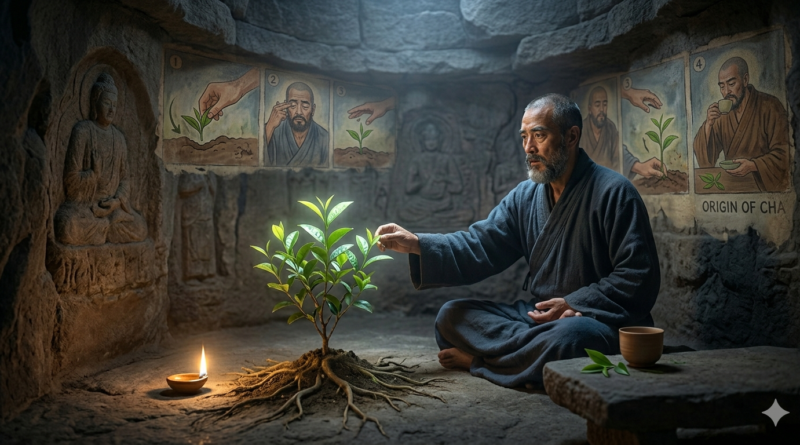
Unveiling the Roots: The Indian Legend Behind Tea’s Discovery
Tea, a beloved beverage enjoyed worldwide, has roots steeped in legends and lore. Among these tales, one stands out prominently—the Indian legend regarding the discovery of tea. This captivating story not only highlights a cultural treasure but also connects us to ancient traditions and mysticism. As we delve deeper, we’ll explore the enchanting narratives that shaped tea’s journey from its mythical origins to becoming an integral part of daily life. Get ready to sip on some history as we unveil the fascinating tales behind this cherished drink!
Unveiling the Roots: The Indian Legend Behind Tea’s Discovery
The Indian legend surrounding tea’s discovery weaves a rich tapestry of spirituality and tradition. It tells of Bodhidharma, the revered monk who, during his meditation, discovered the invigorating properties of leaves steeped in hot water. This moment marked the beginning of tea’s journey into the hearts and homes across India.
What is the legend of tea in India?
The legend of tea in India is rich and captivating. It tells of Bodhidharma, a Buddhist monk who discovered tea while meditating. Exhausted, he chewed leaves for energy, which led to the drink we cherish today. This mystical tale reflects India’s profound connection with nature and spirituality through tea culture.
What is the story behind the discovery of tea?
The discovery of tea is steeped in myth and folklore. One popular tale centers on a Chinese emperor who accidentally brewed leaves from the Camellia sinensis plant while boiling water. This serendipitous moment gave birth to the invigorating beverage we cherish today, symbolizing harmony between nature and human curiosity throughout history.
What is the Indian legend about the discovery?
The Indian legend surrounding tea’s discovery often centers on the revered Buddhist monk Bodhidharma. It is said that during his meditation, he became weary and brewed leaves from a nearby plant to stay awake. This simple act birthed the tradition of drinking tea, intertwining spirituality with everyday life in India.
What were the two legends about the discovery of tea?
Two prominent legends surround tea’s discovery. One tells of Emperor Shen Nong, who accidentally brewed leaves while boiling water. The other features Bodhidharma, a monk who fell asleep during meditation and chewed leaves to stay awake, leading to the creation of tea as a vital beverage for mindfulness and alertness.
What was the Indian legend about the discovery of tea class 10
The Indian legend about the discovery of tea often centers around Bodhidharma, a Buddhist monk. He is said to have consumed leaves from a wild shrub during his meditation to stay awake. This act led to the creation of tea, believed to enhance mindfulness and spiritual focus in practitioners across generations.
What is the indian legend regarding the discovery of tea class
The Indian legend surrounding tea’s discovery often intertwines with the tale of Bodhidharma, a Buddhist monk. He reportedly brewed leaves from wild plants to keep himself awake during meditation. This act is said to have led to the birth of tea, marking its sacred role in spiritual practices throughout India.
What is the indian legend regarding the discovery of tea brainly
The Indian legend regarding the discovery of tea often centers around Bodhidharma, a Buddhist monk. He is said to have brewed a drink from leaves to stay awake during meditation. This mystical story intertwines spirituality with the origins of tea, celebrating its calming yet invigorating qualities in Indian culture.
What is the indian legend regarding tea short answer
The Indian legend regarding tea often centers on Bodhidharma, a Buddhist monk. He is said to have discovered tea after falling asleep during meditation. To stay awake, he chewed leaves from a nearby plant. This act not only awakened him but also led to the creation of tea as a cherished beverage in India.
What legends are associated with the origin of tea class 10th
The origin of tea is steeped in fascinating legends, particularly in India. Two prominent tales emerge: one involving Bodhidharma, who famously brewed leaves for meditation; the other credits ancient emperors discovering tea’s refreshing qualities. Each story adds depth to tea’s rich cultural heritage and highlights its significance across generations.
What are the legends about the discovery of tea
Two primary legends highlight tea’s discovery. One features Emperor Shen Nong, who accidentally infused leaves into boiling water. The other involves Bodhidharma, a Buddhist monk who brewed tea to stay awake during meditation. Both stories intertwine culture and spirituality, showcasing how tea became a revered beverage across generations in India and beyond.
Write the two legends about the discovery of tea class 10
Two prominent legends surround tea’s discovery. The first involves Bodhidharma, a Buddhist monk, who brewed leaves for energy during meditation. The second story attributes tea’s origins to Emperor Shen Nong of China, who accidentally discovered it when leaves fell into boiling water. Both tales highlight the beverage’s mystical roots and cultural significance.
Write down the buddhist legend about tea
The Buddhist legend speaks of Bodhidharma, a 6th-century monk. He meditated for nine years to attain enlightenment. To stay awake, he chewed tea leaves. This act not only invigorated him but also introduced the world to tea’s revitalizing properties, intertwining his spiritual quest with the birth of this cherished beverage.
Bodhidharma: The Legendary Figure
Bodhidharma, a monk from India, is renowned as the founder of Zen Buddhism. His journey to China was marked by perseverance and enlightenment. Legend has it he spent nine years meditating in a cave, ultimately sharing profound teachings that intertwined spirituality with mindfulness—all while introducing tea’s revitalizing essence into daily practice.
Epic Journey of Bodhidharma
Bodhidharma embarked on a legendary journey from India to China, traversing treacherous mountains and vast landscapes. His mission was to spread the teachings of Zen Buddhism. Along the way, he faced hardships yet remained resolute, ultimately reaching the Shaolin Temple where his influence forever transformed Chinese culture and spiritual practices.
The Ancient Legend of Bodhi Dharma
Bodhi Dharma, the enigmatic monk, is often credited with introducing tea to the world. Legend has it that during his meditative journey, he fell asleep after years of vigil. To stay awake, he chewed tea leaves. This simple act transformed into a ritual that blossomed into a cultural phenomenon across Asia.
Tea’s Origin and Spread
Tea has traveled across continents, weaving its way into diverse cultures. Originating in ancient China, it found a welcoming home in India. As trade routes expanded, tea became cherished worldwide. Each region infused their unique traditions into the ritual of tea-drinking, transforming it into an art form celebrated globally today.
Comparison of Indian and Chinese Legends
The legends of tea in India and China share fascinating similarities yet distinct narratives. While Indian folklore revolves around Bodhidharma, a revered monk who discovered tea’s invigorating properties during meditation, Chinese tales often depict Emperor Shen Nong accidentally brewing leaves from a wild tree. Both stories highlight tea’s spiritual and cultural significance across regions.
Tea’s Cultural Significance and Spread
Tea transcends borders, uniting cultures through its rich history. From ceremonies in Japan to chai stalls in India, it fosters connections and traditions. Its versatility adapts to various customs, evolving into a symbol of hospitality and warmth worldwide. As tea flows, so do stories and friendships across generations.
Unraveling Myths and Facts
Tea’s origin is steeped in legends, yet historical evidence often tells a different story. While myths paint a romantic picture of its discovery, botanical studies reveal a complex journey. Understanding these layers helps separate fact from fiction, allowing us to appreciate tea’s rich heritage beyond mere folklore and superstition.
Historical and Botanical Evidence
Botanical studies reveal that tea plants thrive in specific climates, primarily in Asia. Historical texts indicate tea was consumed as early as the Shang dynasty in China. These findings help trace tea’s origins, highlighting its development from a local beverage to a global phenomenon deeply rooted in various cultures worldwide.
Dispelling Myths Surrounding Tea’s Discovery
Tea’s discovery is often shrouded in myths, blending history with folklore. Many believe it originated solely in China or India. However, evidence suggests diverse cultures contributed to its evolution. Misconceptions about the role of Buddhist monks and herbal traditions also persist, adding layers to tea’s rich narrative that deserve exploration and understanding.
Modern Impact and Relevance
Tea has seeped into the fabric of modern life, transcending cultures and boundaries. Whether it’s a morning ritual or an afternoon break, it fosters connections. The mythical tales surrounding its origins enrich our appreciation, reminding us that each cup carries centuries of tradition and stories that continue to inspire today’s tea enthusiasts.
Tea Culture in Everyday Life
Tea is woven into the fabric of daily life in India. Families gather over steaming cups, sharing stories and laughter. It’s a ritual that transcends age and culture, fostering connections. Whether enjoyed alone or with loved ones, tea brings warmth, comfort, and a sense of belonging to everyday moments.
Impact of Tea’s Mythical Roots
Tea’s mythical roots weave rich narratives into its identity, enhancing its allure across cultures. These legends foster a deep appreciation for tea ceremonies and traditions. They connect people to history, spirituality, and community, elevating the simple act of drinking tea into an experience steeped in meaning and significance that transcends generations.
Conclusion
Tea, with its rich tapestry of myths and legends, continues to enchant people worldwide. Its journey from ancient tales to modern rituals highlights a blend of culture and history. As we sip our tea today, we connect with centuries-old stories that remind us of the beverage’s profound significance in our lives.
Appreciating the Enduring Charm of Tea’s Mythical Origins
Tea’s mythical origins weave a tapestry of culture, spirituality, and tradition. The stories surrounding its discovery invite us to savor each sip with reverence. They remind us that every cup holds centuries of history, uniting people across generations. Embracing these legends deepens our appreciation for tea as more than just a beverage.
FAQs
The charm of tea transcends its taste and aroma. Its mythical origins invite us to explore the rich tapestry of cultures and stories woven around it. From ancient legends to modern-day rituals, tea continues to play a pivotal role in our lives. This exploration reveals not only the beverage’s significance but also how intertwined it is with history and tradition.
Whether it’s a quiet moment alone or a gathering with friends, each cup carries echoes of lore that enrich our experience. The narratives surrounding its discovery keep the spirit of this beloved drink alive, inviting everyone to partake in its legacy.
What is the Indian legend regarding the discovery of tea?
– The Indian legend suggests that Bodhidharma discovered tea when he chewed leaves from a shrub during his meditation sessions.
What are the two legends about the discovery of tea?
– One revolves around Bodhidharma’s journey and another relates to Chinese Emperor Shen Nong boiling water with leaves.
Can you share more about Bodhidharma?
– Yes! He was an influential monk known for spreading Zen Buddhism and is often credited with introducing tea as an aid for monks.
What are some cultural significances associated with tea?
– Tea symbolizes hospitality, friendship, and relaxation across various cultures; it’s integral in ceremonies worldwide.
How has tea influenced modern culture?
– Today, tea plays an essential role in social gatherings globally while maintaining traditional practices rooted in historical tales.